
Every mother wants to give her baby the best possible start in life. When it comes to breastfeeding, however, many mothers are left with questions: Is my baby getting enough milk? Should I give my baby water? What if breastfeeding is difficult? And how can my family support me?
In Lesedi Solar Park Trust’s beneficiary communities, these questions are important. Lesedi’s 2024 stunting baseline study found that only 60% of infants are exclusively breastfed for the first six months, while 38% of children under two are affected by stunting.
These figures matter because the first six months form part of the first 1,000 days, from pregnancy until a child turns two, which is a critical period for growth and development.
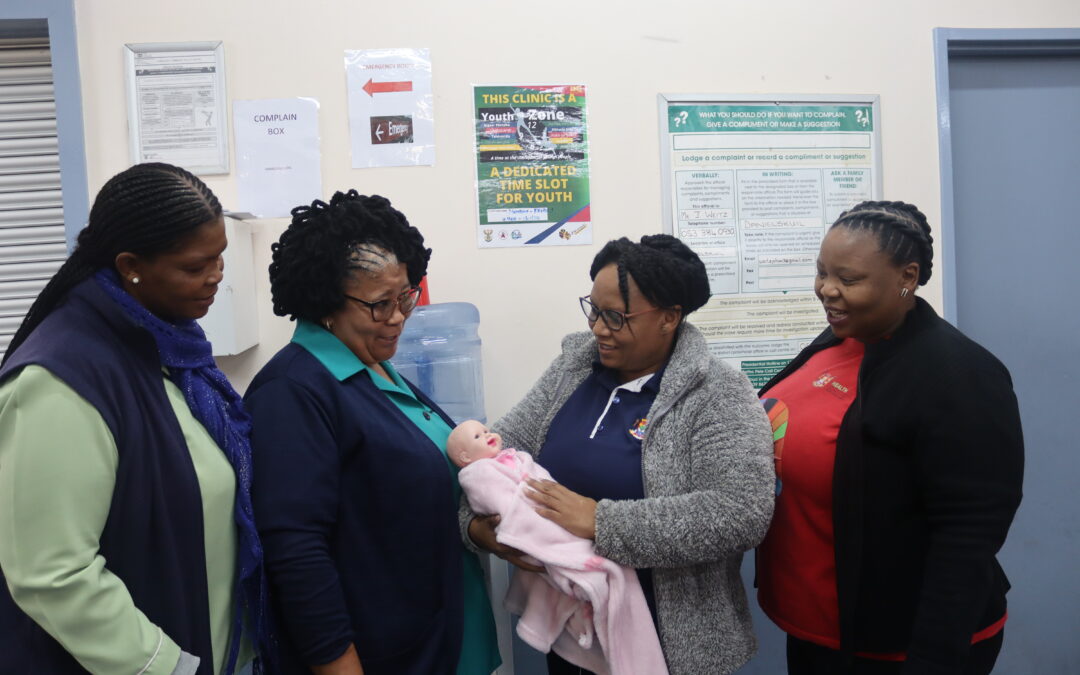
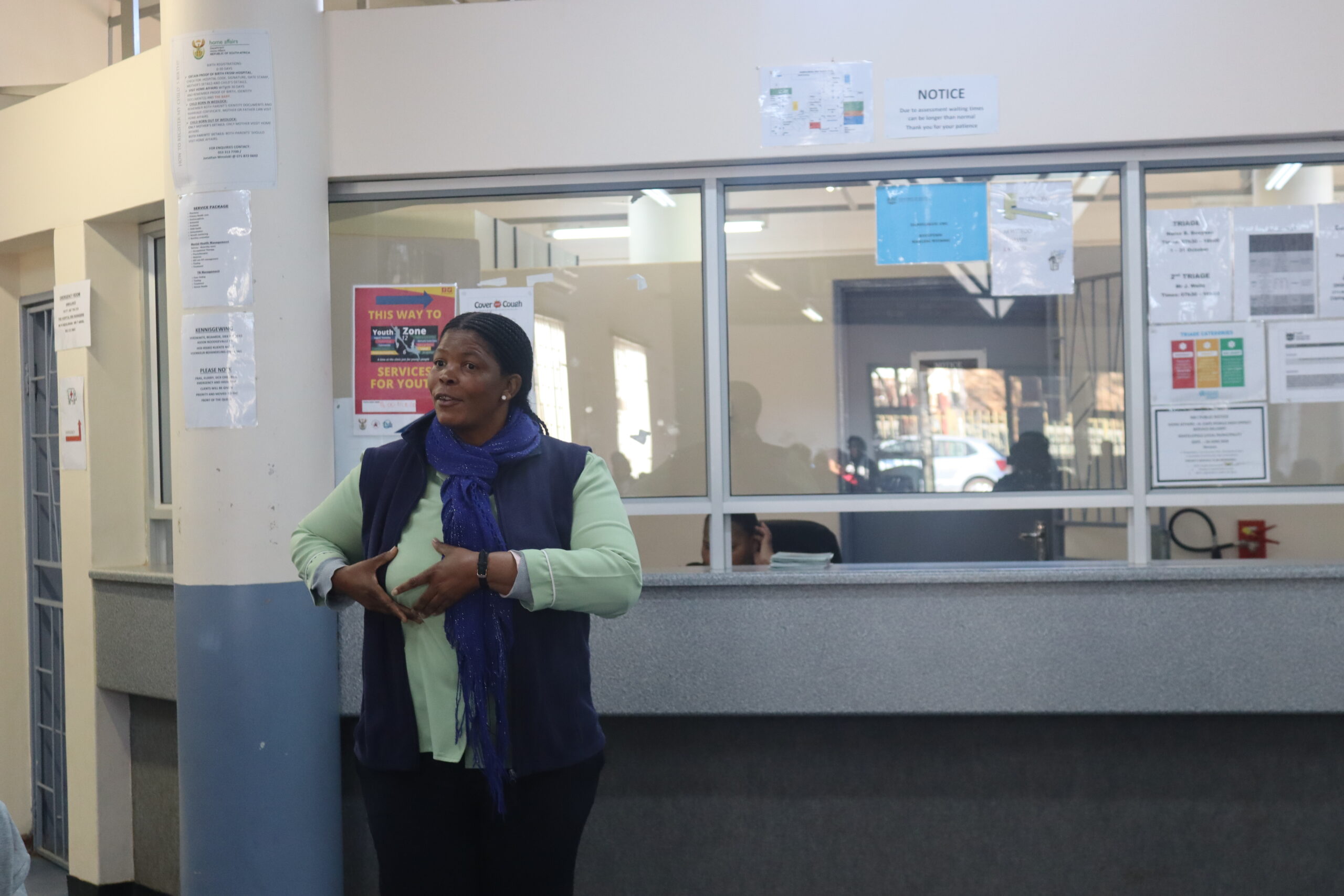
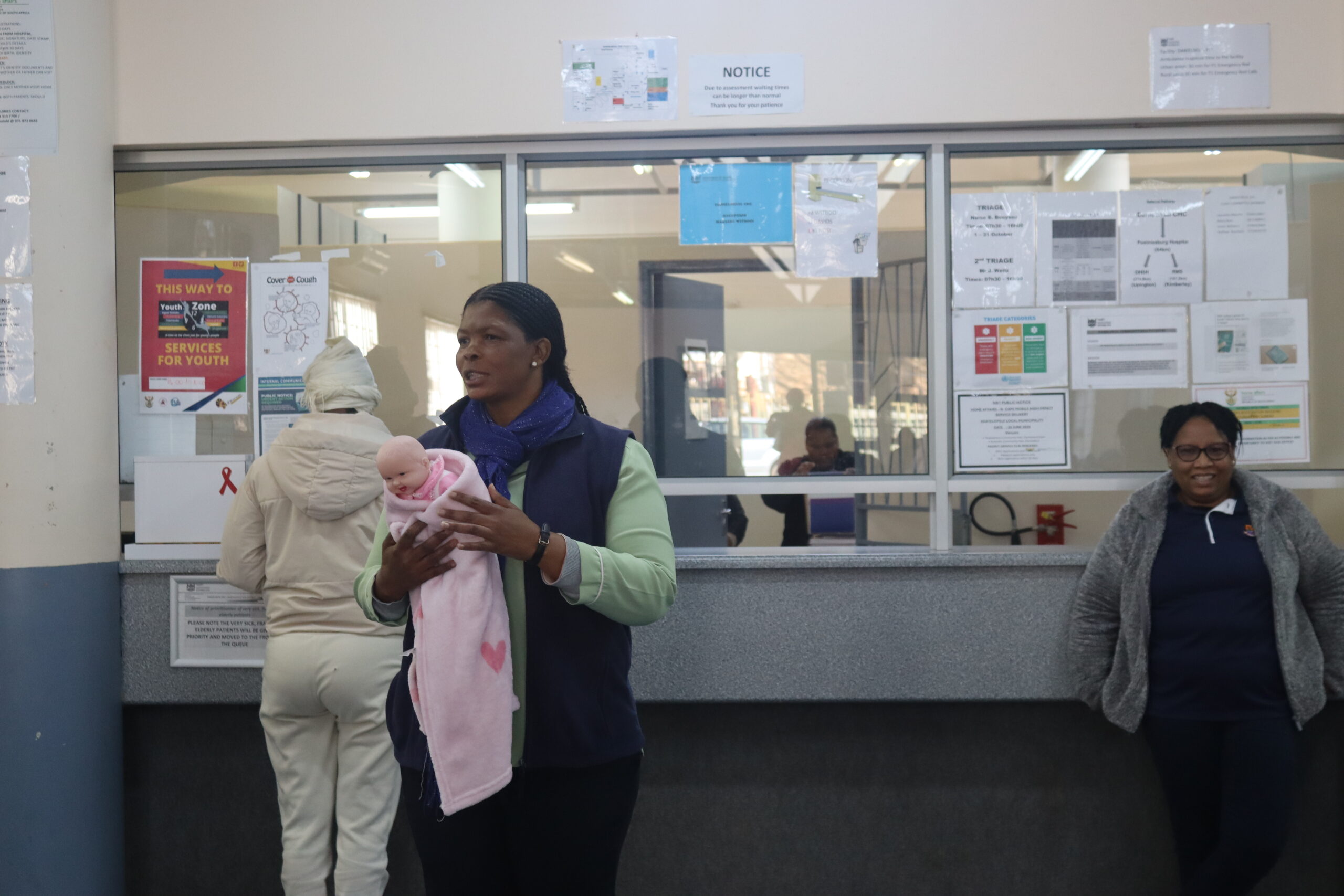
During World Breastfeeding Week, these questions were brought into the clinic setting, where they could reach the mothers who need this information most. At Danielskuil Clinic, Community Health Workers Dina van Rooi and Roseline Vis from Grow Great held a breastfeeding awareness session for expecting and breastfeeding mothers who had brought their babies and young children to the clinic for immunisations and check-ups.
We also spoke to Nurse Andrea Williams from Danielskuil Clinic to get the healthcare perspective on some of the questions mothers commonly have about breastfeeding.
Together, their experiences and advice offer practical information for mothers and families , from why the first six months matter to how a mother can be supported at home.
Why do the first six months matter?
Breast milk provides the nutrients and water a baby needs during the first six months and also helps build the baby’s immune system.
Andrea explains:
“Breast milk contains a lot of stuff, there is fat in it, there is protein, water, vitamins.”
This is why mothers are encouraged to exclusively breastfeed during the first six months, without adding water or other fluids.
Dina reinforced the message during the awareness session:
“It is very important that the child has breast milk for the first six months. There is no need to give the child water. The breast milk will do everything.”
For mothers and families who may have heard different advice about what a young baby needs, understanding why exclusive breastfeeding matters can help them make informed decisions.
“Is my baby getting enough milk?”
One of the most common questions mothers ask is whether their baby is drinking enough milk.
Andrea says mothers can look at signs such as how often their baby wets their nappy. She also explains that mothers who need to express their milk can do so and give their baby expressed breast milk.
“Yes, you can pump. There is no problem with that. And you can give the baby milk, pump milk, as long as baby gets enough.”
For mothers who are worried about feeding, their baby’s nappies or whether their baby is getting enough milk, healthcare workers and Community Health Workers can help answer their questions and provide support.
When breastfeeding does not come easily
Breastfeeding does not always come naturally or easily, particularly for a first-time mother.
During the session, Roseline demonstrated how a baby should be positioned and attached to the breast so that the baby can feed effectively. She also highlighted the importance of simple hygiene practices, including washing hands before breastfeeding.
This kind of practical support matters because knowing that breastfeeding is important is one thing; knowing how to breastfeed comfortably and correctly is another.
If a mother is struggling with breastfeeding or is unsure whether her baby is feeding properly, asking for help can make a difference.
What about mothers living with HIV?
For mothers living with HIV, breastfeeding can bring additional questions and concerns.
Dina, who also provides HIV and AIDS education, spoke about the importance of knowing your HIV status, testing during pregnancy and continuing with prescribed treatment and follow-up care.
She reminded mothers that living with HIV does not automatically mean they cannot breastfeed. Mothers living with HIV can breastfeed when they are taking their prescribed treatment and following the guidance of healthcare professionals.
Babies born to mothers living with HIV also need recommended testing and follow-up care, making continued contact with the clinic an important part of supporting both mother and baby.
A mother needs support too
Breastfeeding advice often focuses on the baby, but Andrea says the mother needs care and support too.
The first weeks after giving birth can be exhausting. A mother is recovering from childbirth, learning how to care for her baby and may be waking several times during the night.
Partners, grandparents and other family members can help by taking on some of the everyday responsibilities, such as cooking and cleaning, and giving the mother time to rest.
As Andrea explains:
“Come and support them. Come and take the baby, so you can rest for a few hours.”
Support does not have to be complicated. Helping with a meal, household chores, or giving a new mother an opportunity to rest can help her cope with the demands of caring for a newborn.
Why this matters beyond breastfeeding
For Lesedi Solar Park Trust, breastfeeding is part of a much bigger picture.
The first 1,000 days are a critical period for a child’s growth and development. Lesedi’s 2024 baseline study found that 38% of children under two in its beneficiary communities are affected by stunting.
Linda Ndlovu, Project Manager at Lesedi Solar Park Trust, says more than a third of children in the Trust’s footprint are starting life with a preventable disadvantage that can affect cognitive development, school readiness and lifetime outcomes.
“Investing here is a direct, evidence-based lever for improving long-term outcomes in the very communities hosting our solar assets, and nutrition in the first 1,000 days is one of the highest-return interventions available to us.”
This is why the support provided through programmes such as Flourish and Grow Great Champions goes beyond a single awareness session.
Flourish’s antenatal and postnatal classes help mothers build knowledge and encourage healthy behaviours, while Grow Great Champions extends support through home visits and growth monitoring across the first 1,000 days. Community Health Workers can also help families connect with health services and social support when needed.
The goal is not simply to share information once, but to support families as their children grow and help healthy practices become part of everyday family and community life.
Changing the story for children
The longer-term goal is bigger than breastfeeding alone.
It is about helping families build healthy habits around nutrition and early childhood development, while making sure mothers have the confidence and support to care for their children and seek help when they need it.
As Linda explains, the hope is to see:
“Fewer children entering school already developmentally behind, giving them a genuinely equal start, and giving mothers the confidence and support network to advocate for their children’s health long after the programme ends.”
For the mothers who attended the session at Danielskuil Clinic, the information was practical and immediate. More importantly, the bigger picture is about what happens after they leave the clinic, what they remember, what they share with their families, and the support they receive as their children grow.
Behind the statistics on breastfeeding and stunting are real mothers and babies. That is why giving children a stronger start begins with ensuring that mothers have the information, support and confidence they need during the first 1,000 days.