
Building the confidence to read, understand and succeed
There are few moments that make a parent prouder than hearing their child read a story for the first time. But for many families across South Africa, helping a child build the confidence to read and understand what they are reading isn’t always easy.
According to the Progress in International Reading Literacy Study (PIRLS), 81% of Grade 4 learners in South Africa struggle to read for meaning. This means that, many children can read the words on a page, but they don’t fully understand what they are reading. When that happens, every school subject becomes more difficult because understanding what you read is at the heart of learning.
Behind that statistic are real children – our children. Children who stop putting up their hands in class because they’re afraid of getting the answer wrong. Children who lose confidence and begin to believe they aren’t good enough.
The good news is that falling behind doesn’t mean a child can’t catch up.
Across six primary schools in the Lesedi Solar Park Trust communities, Assmang Primary School, H.T.T. Bidi Memorial Primary School, Danielskuil Intermediate School, Postdene Primary School, De Kuil Primary School and Refentse Primary School the Accelerated Learning Project (ALP) is helping learners rebuild the basic reading and maths skills they need to succeed. Using the Teaching at the Right Level (TaRL) approach, learners are supported at their current level of understanding before gradually building new skills and confidence. the Accelerated Learning Project (ALP) is helping learners rebuild the basic reading and maths skills they need to succeed. Using the Teaching at the Right Level (TaRL) approach, learners are supported at their current level of understanding before gradually building new skills and confidence.
For Lesedi Solar Park Trust, investing in literacy and numeracy is about creating opportunities that extend far beyond the classroom.
Pagiel Joshua Chetty, Education Programme Manager at Lesedi Solar Park Trust, says:
“At Lesedi Solar Park Trust, we believe a child’s future is shaped by whether they can read and understand what’s in front of them. Too many children in our communities can sound out words but not grasp their meaning, and that gap holds back everything else they try to learn. Programmes like ALP help build the foundational skills children need to read with understanding. By investing in that journey today, we’re investing in confident, capable adults tomorrow.”
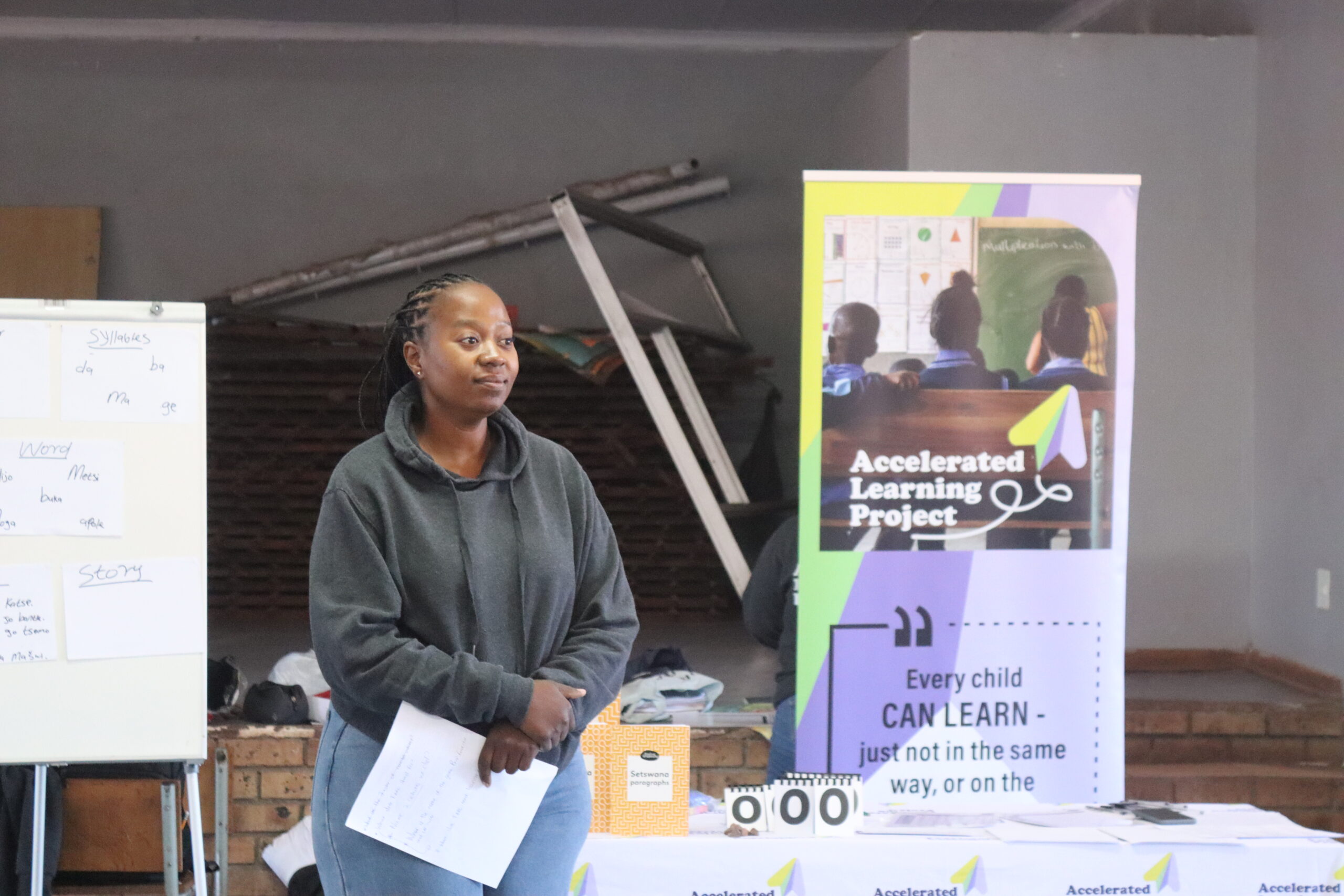
For ALP Mentor Ayanda Hadebe, that starts with one simple idea.
“We meet the child where they are and move with them step by step. Children are not rushed. We want them to build a strong connection with the facilitator, someone who sees them as capable and helps unlock their potential.”
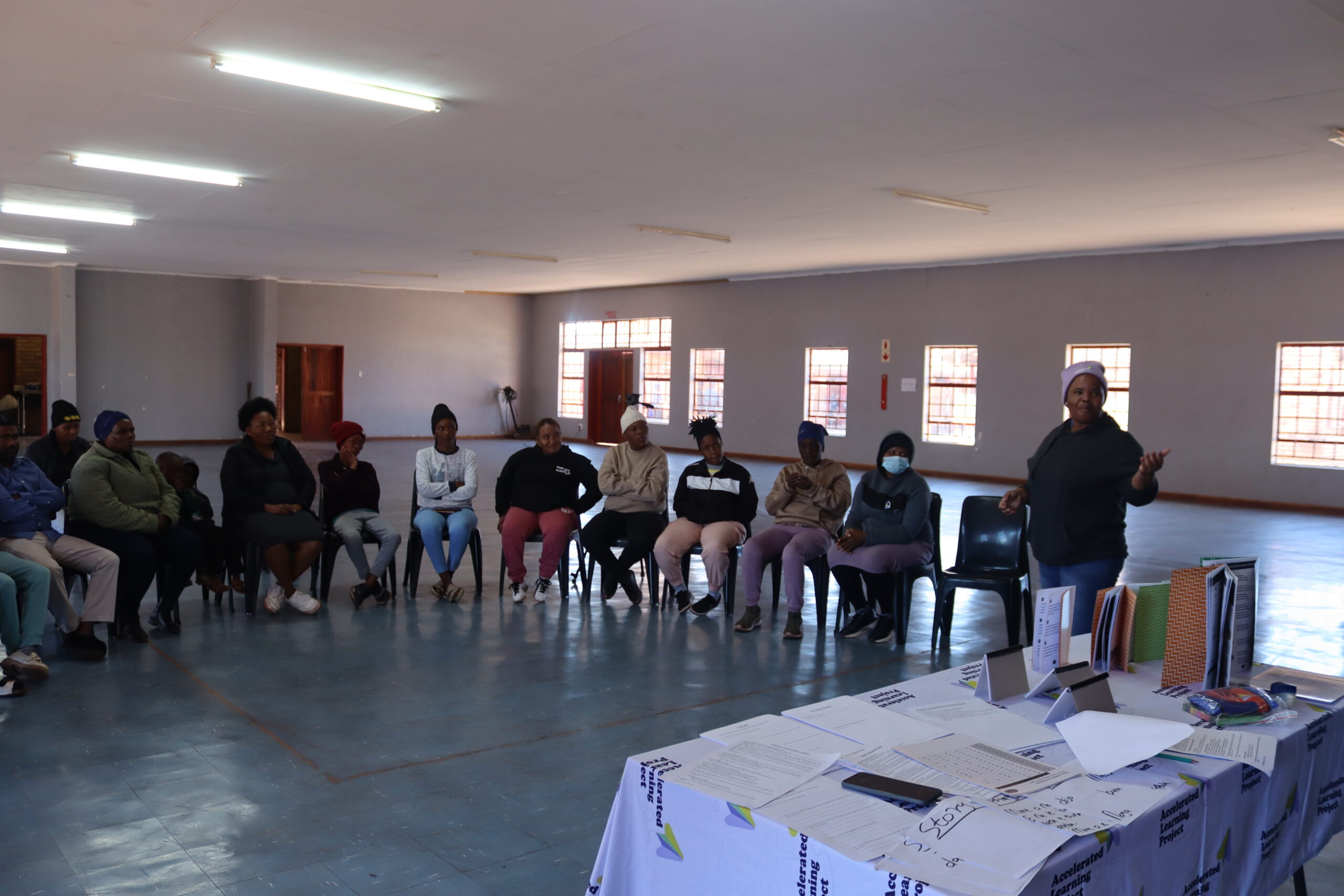
That same belief can be seen inside the classroom.
One ALP facilitator, Cindy Witbooi, begins every session by asking learners to share something they remember from the previous lesson before introducing new activities suited to each learner’s level. At the end of the lesson, learners are encouraged to “teach it back.”
“If they can explain it, I know they understand it. My goal isn’t perfect scores—it’s confident learners,” says Cindy.
That confidence is often the first sign of progress.
Mercia Motlaetshaba, another ALP facilitator, says teaching learners at the level they understand best helps them build confidence, participate more actively in class and grow academically.
“When learners understand the work at their level, they become more confident. They start participating, asking questions and believing in themselves,” says Mercia.
Small moments make a big difference. Teachers celebrate participation, encourage learners to help one another and regularly check that children understand before moving on to something new. These everyday actions help learners feel safe to try, make mistakes and keep learning.
For Ayanda, some of the biggest successes aren’t measured only by marks.
She remembers one learner who started the programme unable to read stories with understanding. After completing 60 sessions, that learner could confidently read and understand a story. Another learner, who had struggled with spelling, worked so hard that they were recognised at their school’s academic awards.
These stories remind us that every child learns differently. Sometimes all they need is someone who believes in them and is willing to teach them in a way that works for them.

Parents also have an important role to play.
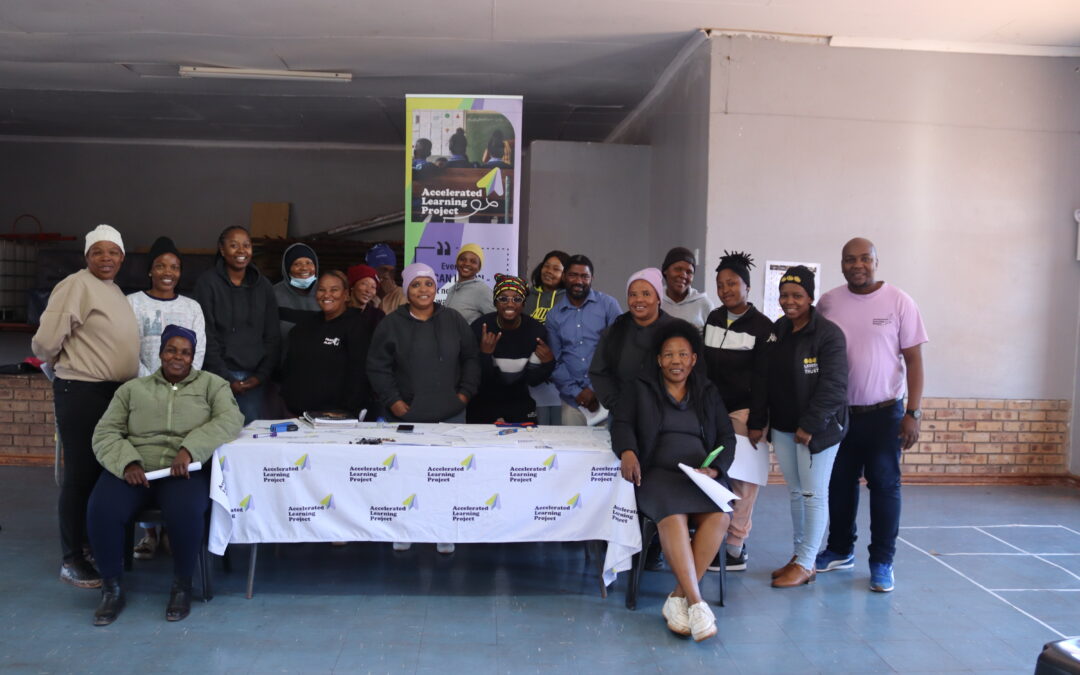
Earlier this year, Lesedi Solar Park Trust attended a parental engagement session at Assmang Primary School, where families learned more about supporting their children’s learning at home. Parents made a pledge to encourage reading, learning and growth beyond the classroom, recognising that education doesn’t end when the school bell rings.
For Kelebogile Tielo, mother of ALP learner Nkosi Kepile, the programme has been just as valuable for parents as it has been for children.
“Lenaneo leno le nthutile gore jaaka motsadi ke tshwanetse go tsaya maikarabelo mo thutong ya ngwana wa me. Gompieno ke dirisa nako e ntsi ke mo thusa ka Sekgoa le Dipalo, mme ke kgona go bona gore o na le boitshepo jo bogolo mo phaposing ya borutelo. Ke leboga barutabana ba TaRL ka tiro e ntle e ba e dirang go thusa bana ba rona,” o boletse”.
Her experience reflects what the programme hopes to achieve, when parents become active partners in their children’s learning, learners gain confidence both at home and in the classroom.
You don’t have to be a teacher to help a child become a more confident reader. Reading together, asking your child about their school day, listening as they read aloud or simply encouraging them when learning feels difficult can all help build confidence.
Helping children succeed isn’t the responsibility of schools alone. It takes parents, caregivers, teachers and communities working together to give every child the opportunity to read, understand and thrive.
As Ayanda says,
“Every child needs one simple loving connection to be able to thrive, and we can be that for them.”