
In many of our homes and communities, men are often expected to be providers, protectors, and pillars of strength. From a young age, boys are taught to “man up,” stay strong, and hide their emotions. Behind closed doors, men silently carry emotional pain, stress, trauma, depression, and anxiety because they fear being judged if they speak up.
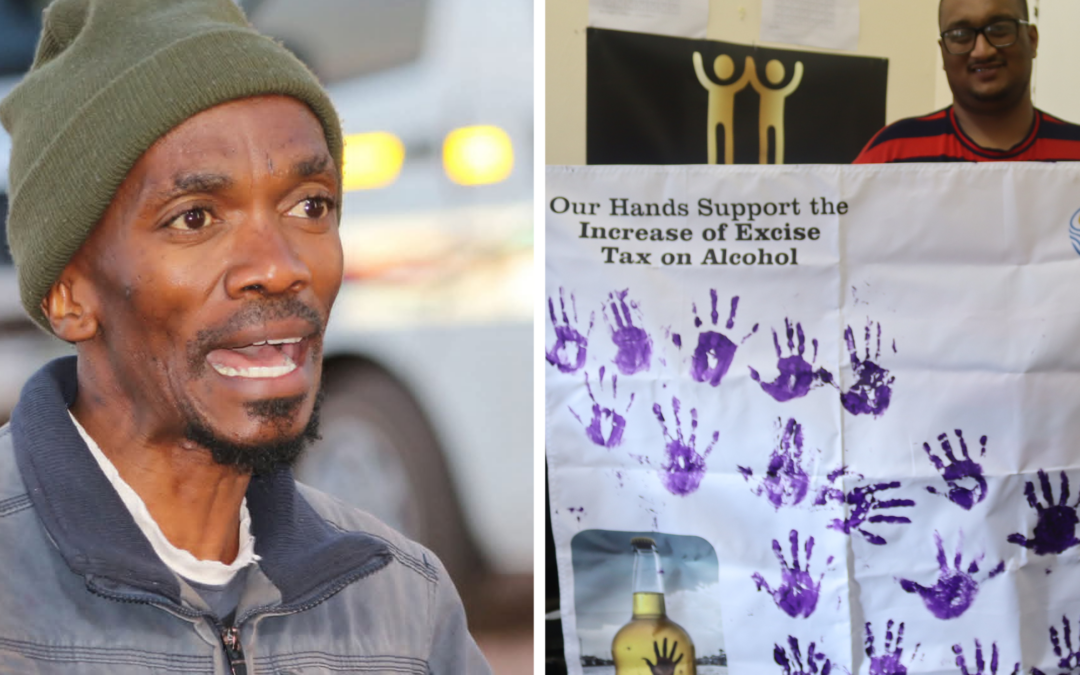
June is globally recognized as Men’s Mental Health Awareness Month, a time dedicated to raising awareness around the psychological struggles men face and encouraging them to seek help before it is too late. This month, important conversations are taking place around men’s mental health as community activists Thabiso Macheoane from Postmasburg, a depression survivor and mental health advocate, and Donavon Pienaar from Lime Acres, a recovering addict now five years clean, use their personal journeys and community work to encourage men to speak openly about emotional struggles, addiction, trauma, and healing.
During the interviews, Donavon explained that most men grow up believing they must always appear strong, even when they are struggling. He openly shared his own journey through addiction and emotional challenges, saying there were moments when he felt overwhelmed but still believed he had to carry everything on his own.
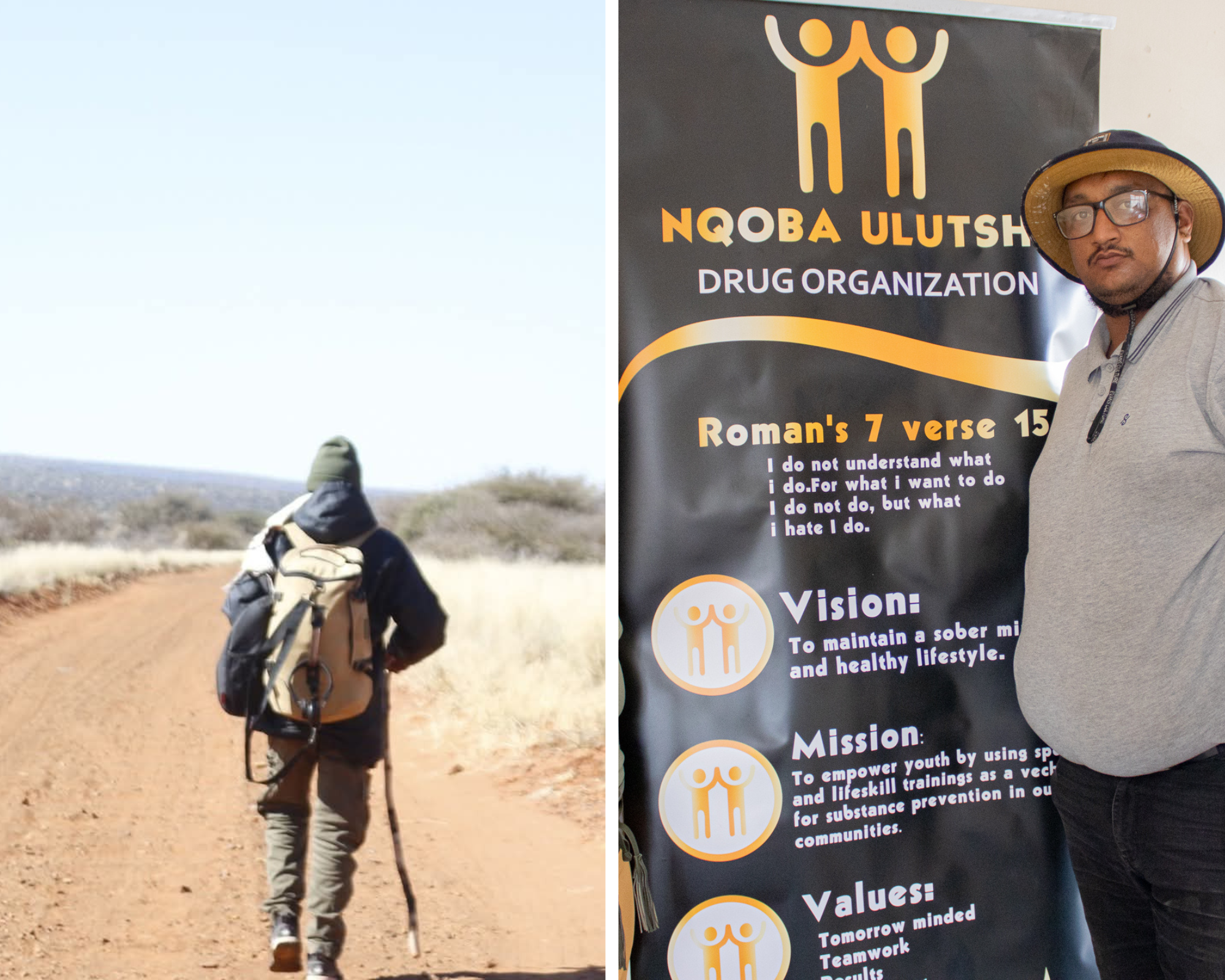
Today, Donavon leads Nqoba Ulutsha, a support group and community programme in Lime Acres focusing on addiction recovery, gender-based violence awareness, and creating safe spaces for people facing emotional challenges. Through this work, he has seen how emotional pain, trauma, family conflict, unemployment, and addiction are often closely connected. Many young people attending support groups struggle with rejection, absent fathers, emotional neglect, and hopelessness, leading some to cope wthrough alcohol, drugs, aggression, or isolation.
Reflecting on his own journey, Donavon shared that healing only truly began when he admitted he needed help and allowed others to support him.
Similarly, Thabiso shared that his own battle with depression inspired him to establish the My Journey Foundation in 2022, to create greater awareness around mental wellness within communities. Through initiatives such as the annual My Journey Walk for Mental Health, he encourages people, especially men, to open up in spaces where they feel safe, supported, and understood.
Thabiso explained that men avoid speaking openly about their emotions because they fear being labelled as “weak,” “crazy,” or “not man enough.” He believes this silence often causes emotional struggles to worsen over time.
“There are men smiling in public but crying inside,” he explained. “Some are struggling financially, emotionally, or mentally, but they don’t know how to ask for help.”
Both Thabiso and Donavon also highlighted the strong connection between untreated emotional struggles, addiction, anger, and gender-based violence. When emotional pain is ignored for too long, frustration and pressure often build up, and without healthy support systems, some men end up expressing that pain in harmful ways that affect both themselves and those around them.
The conversation around men’s mental health also extended onto social media, where community members echoed similar concerns, identifying fear of judgment and a lack of safe spaces as key reasons many men continue to suffer in silence.
Despite these challenges, both community leaders believe healing is possible when communities create environments where men feel heard instead of judged. They believe families, workplaces, churches, schools, and community organisations all have an important role to play in encouraging conversations and offering support before situations reach crisis points.
This Mental Health Awareness Month is not only about awareness, but also about action. If you notice someone withdrawing, drinking heavily, becoming aggressive, isolating themselves, or struggling emotionally, check in on them. One conversation, one listening ear, or one moment of support could make a life-changing difference.
Community members are encouraged to continue having open conversations about mental health, support local organisations and support groups, and help create safe spaces where men and boys feel comfortable speaking honestly about what they are going through. If you or someone you know is struggling with mental health, addiction, emotional distress, or gender-based violence, reach out to a trusted friend, family member, support group, social worker, church leader, significant other, or community organisation for help.
Because healing begins when silence is broken.