
Imagine a teacher has just explained a new concept to a class. The learners seem to understand, but how does the teacher know? And what happens when they are asked to try it on their own?
This is where the I Do, We Do, You Do (IDWDYD) approach comes in. The idea is simple: first, the teacher shows learners how to do something; then they practise it together; and finally, learners have an opportunity to apply what they have learnt independently.
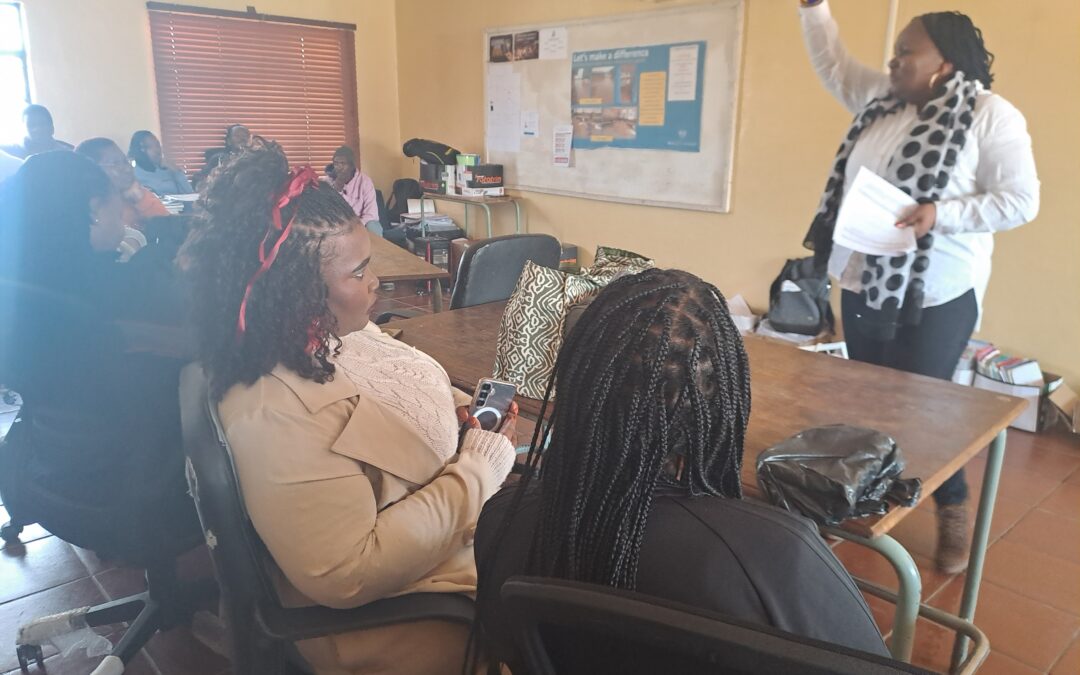
The approach was recently explored by teachers at Danielskuil Intermediate School during a Designing Lessons That Deliver session facilitated by Ntombizanele Hene, Northern Cape Instructional Coach for Common Good. The session forms part of Common Good’s school support programme, funded by the Lesedi Solar Park Trust, which aims to strengthen school leadership and teaching practice.
As Hene explained, “The I do, we do, you do model is a gradual release of responsibility framework that helps students learn effectively by moving from teacher modelling to guided practice to independent practice.”
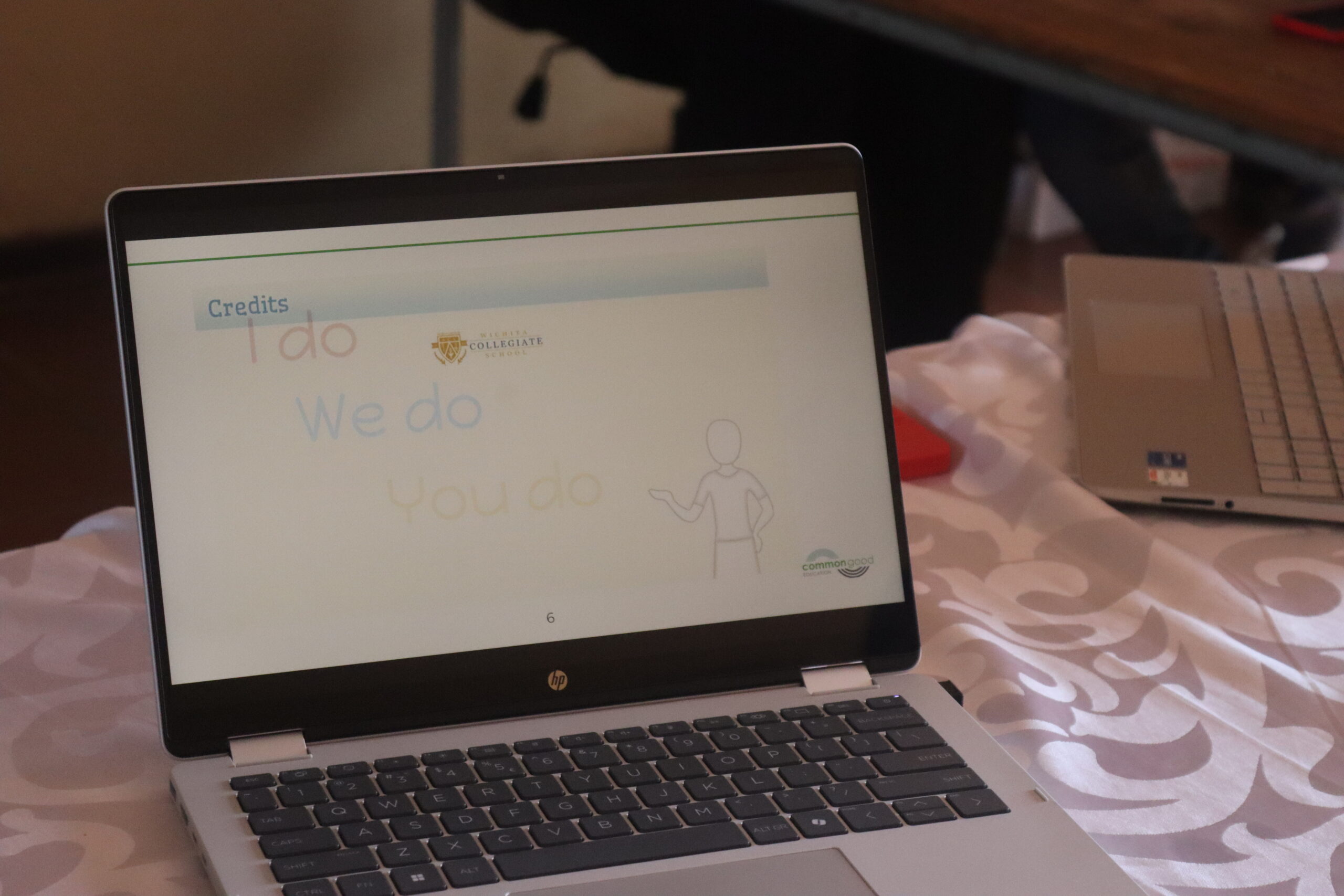
I Do: The teacher shows how
The process begins with I Do, where the teacher leads by introducing the lesson and demonstrating the skill or concept learners are expected to understand.
“The teacher shows and explains. The teacher is modelling, the teacher is demonstrating the concept,” said Hene.
The teacher provides the example, and guidance learners need before they begin practising the skill themselves.
We Do: Learning through practice
In the We Do stage, learners begin to participate by answering questions, attempting examples and practising the skill alongside the teacher. The teacher remains involved, guiding learners and responding to what they show through their answers and participation.
One of the teachers at the session summed it up simply: “It involves both the learner and the teacher. We need to practise and practise.”
Hene also emphasised the importance of learner participation: “Make sure that learners are involved. Learners are practising. Learners are getting the content.”
As learners become more comfortable with the skill, the teacher can gradually reduce the level of support. This leads into the final stage: You Do.
You Do: Giving learners the opportunity to show what they know
In the You Do stage, learners take greater responsibility by applying what they have learnt more independently. The teacher continues to observe and check their work, but is no longer leading every step.
One teacher described this as the point where learners can “show learning that took place” and apply their knowledge more independently.
This gives the teacher a clearer picture of whether learners can apply the skill without the same level of guidance. If learners are struggling, the teacher can identify where they need additional support.

Bringing the three stages together
The value of the approach comes from how the three stages connect. I Do gives learners an explanation and example; We Do allows them to practise with guidance; and You Do gives them an opportunity to demonstrate what they can do independently.
For teachers, this provides a practical way of thinking about lesson planning: What do I need to show? How will we practise it together? And how will I know that learners can do it on their own?
The teachers’ reflections during the session also highlighted the importance of this final step. One participant explained that independent application helps the teacher “get a sense of whether the learners have learned” and whether they can solve problems “without too much assistance from the educator.”
Another teacher pointed to learner confidence, saying: “I think we will see by the learner’s confidence when he’s now applying this method independently.”
From lesson planning to classroom practice
For the teachers at Danielskuil Intermediate School, the session is part of a wider process rather than a once-off training activity. Teachers will apply the IDWDYD approach to their lessons, submit lesson plans for review and receive feedback as they continue developing their practice. The process will also include lesson observations as teachers put the approach into practice.
Through its school support programme, Common Good works alongside school leaders and teachers to strengthen how lessons are planned, delivered and adapted to learners’ needs, with funding from the Lesedi Solar Park Trust.
Ultimately, the approach is about more than delivering content. It gives learners the opportunity to understand what they are learning, practise with support, and, importantly, demonstrate what they can do for themselves.